In certain industrial environments, the air itself can become hazardous. When flammable gases, vapours, mists, or combustible dust mix with air, a potentially explosive atmosphere can form. In such conditions, even a small spark or ignition source may trigger a powerful explosion. How can these risks be prevented?
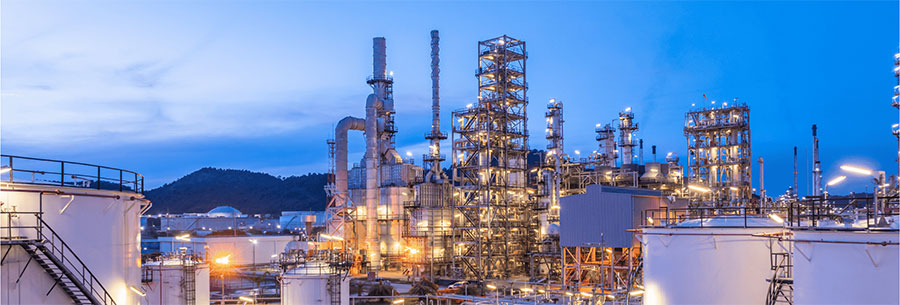
What is ATEX and what are the risks?
To reduce this risk, the ATEX Directive establishes strict requirements for equipment used in hazardous areas. ATEX-certified products are specifically designed and tested to prevent ignition, helping industries operate safely in environments where explosive atmospheres may occur.
By using ATEX-certified equipment, companies can significantly improve safety and protect both people and assets.
Typical industrial activities where explosive atmospheres may occur include:
- Handling fine organic materials
- Grain, flour, or wood dust processing
- Gas or vapor handling in industrial processes
The hidden dangers of ATEX-classified environments
Hazardous areas are classified according to how frequently an explosive atmosphere may be present. In the ATEX system, zones indicate whether the hazard is continuously present, likely during normal operation, or unlikely and short-lived.
Zone 2 (gas) and Zone 22 (dust) refer to areas where explosive atmospheres are unlikely during normal operation and, if they do occur, exist only for a short period, for example due to leaks, spills, or dust disturbances.
Even though the risk is considered lower than in other zones, ignition sources must still be strictly controlled.
Typical Zone 2 gas environments
Zone 2 areas are commonly located around the edges of industrial processes or storage systems, such as:
- Chemical plants and refineries (pump areas, flange rows, valve manifolds, loading points)
- Storage areas for volatile liquids or gases, including LPG cylinder storage or solvent tanks
- Paint shops and spray areas outside the primary booth
- Ancillary equipment in hazardous plants (cameras, control panels, ventilation systems)
In these areas, ATEX-rated fire suppression systems are often used to protect electrical cabinets, machinery spaces, pump skids, and cable galleries, preventing small fires from becoming ignition sources for released gas clouds.
Typical Zone 22 dust environments
Zone 22 areas are typically found around dust-handling or processing equipment, including:
- Dust collectors, filters, cyclones, and conveyor transfer points
- Grain, flour, sugar, wood, or plastic processing facilities
- Silos, mills, packaging lines, and bulk bag filling stations
- Warehouse areas located near dusty processes
In these environments, fire protection strategies focus on preventing ignition caused by abnormal events. Typical approaches include:
- Localized fire suppression systems (aerosol, powder, or gas generators) installed in cabinets or machinery
- Rapid detection and suppression, stopping small fires before they can ignite a gas or dust cloud
Where safety matters most
ATEX-certified solutions are critical in demanding environments such as:
- Flour mills and food processing plants
- Chemical and gas processing facilities
- Fuel storage and distribution sites
In ATEX-classified environments, compliant equipment plays a vital role in preventing ignition and protecting people, equipment, and infrastructure.
Protecting high-risk ATEX environments with Rotarex Firetec solutions
We have reached a major milestone: ATEX certification is now available across our entire total flooding fire suppression portfolio. Customers can now configure fully compliant fire suppression solutions for hazardous and classified environments using certified components throughout the system.
No matter the extinguishing agent, our ATEX-certified range supports systems using:
This expansion allows our partners to build reliable, fully compliant fire suppression systems with confidence, using one integrated ATEX-certified portfolio.
The certification covers all key elements, from valves to other system-critical components enabling a complete turnkey ATEX solution for total flooding systems while simplifying system design and procurement.
That means no compromises: from valves to every critical system component, you can now specify a fully ATEX-compliant turnkey solution for hazardous and potentially explosive environments. This marks a major step forward for operators in high-risk industries, where safety, regulatory compliance, and system reliability are non-negotiable.
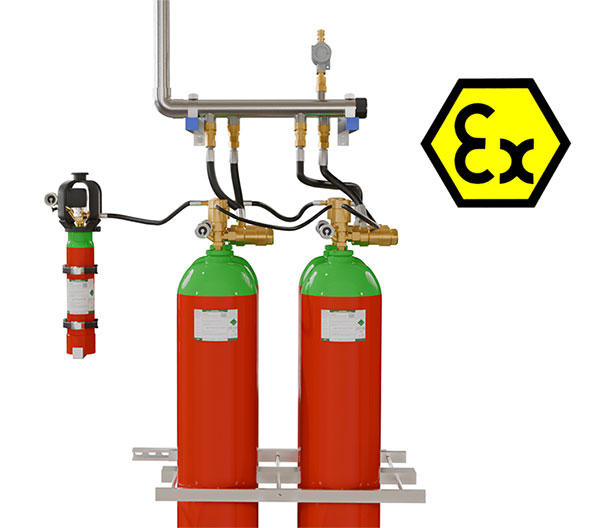
What does our ATEX range include?
We offer a comprehensive portfolio of 100% ATEX-compliant accessories and components, including valves, actuators, pressure regulators, gauges, and more. All required elements to assemble a fully ATEX-compliant total flooding solution.
What makes our design truly explosion-proof?
Our ATEX components are designed for Explosion Proof – Class 2 environments.
For example our B0439 valve certified EEx md IIC, built to withstand and prevent ignition in the most demanding hazardous zones.
System Features
- Meets essential health and safety requirements
- Undergoes appropriate ATEX conformity procedures
- Designed for reliability in harsh industrial environments
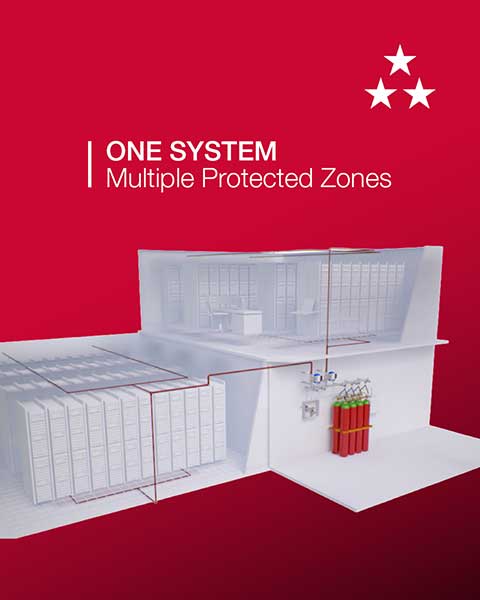
- Fully compatible with total flooding fire suppression architectures
ATEX Certification: What does it guarantee?
ATEX certification ensures that the equipment or protective system complies with its intended use requirements and is supplied with adequate safety information for proper installation and operation.
No compromises on safety with Rotarex Firetec
From concept to commissioning, we provide a fully integrated turnkey ATEX solution for all total flooding systems, including RX5112, INEREX, and RXCO₂, ensuring compliant, proven-effective fire protection in the most demanding hazardous environments.
Contact our experts today to learn how we can support your next ATEX project!